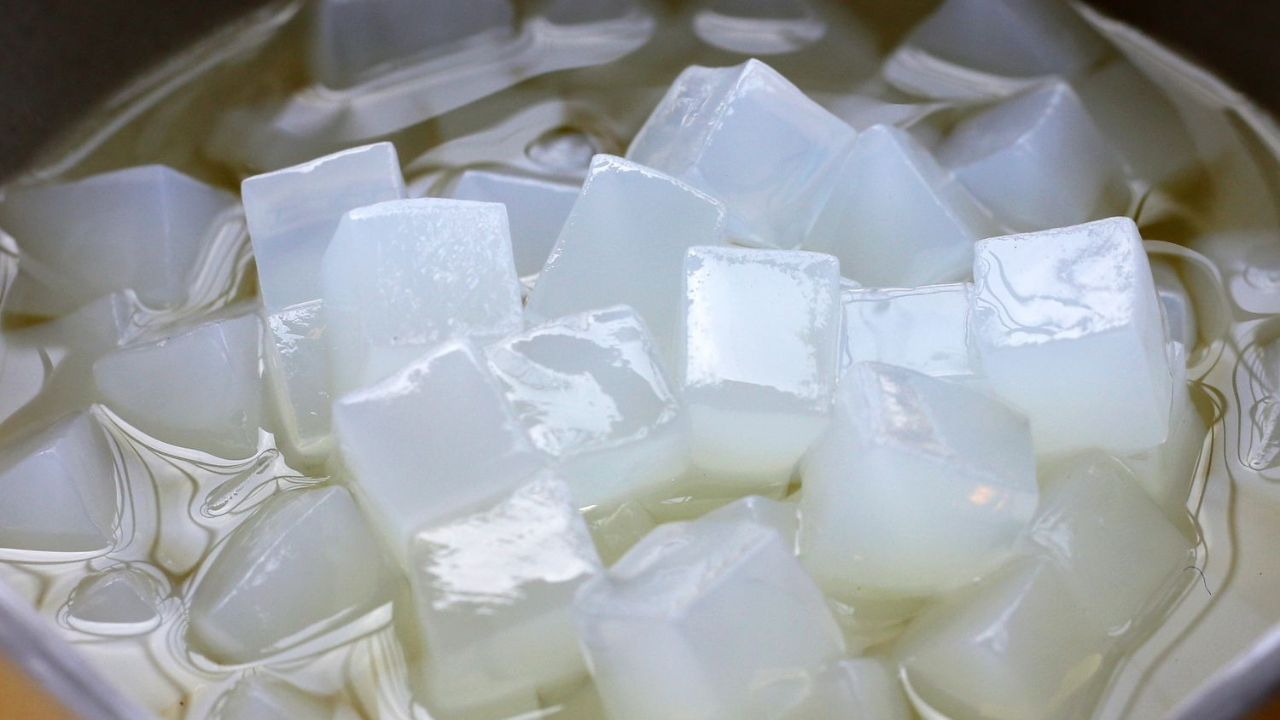
Coconut Water
Pure Hydration, Natural Goodness
Coconut water is the clear, nutritious liquid found inside young, green coconuts, valued for its natural sweetness and refreshing taste. It is a low-calorie, fat-free drink packed with essential electrolytes such as potassium, magnesium, calcium, and sodium, making it an excellent natural rehydration beverage.
Known for its cooling and revitalizing properties, coconut water supports hydration, aids digestion, and helps maintain electrolyte balance after exercise or in hot climates. It is enjoyed fresh from the coconut or packaged for convenience, retaining most of its nutrients. Widely consumed across tropical regions, it has gained global popularity as a healthy, natural alternative to sugary drinks.
Types of Coconut Water
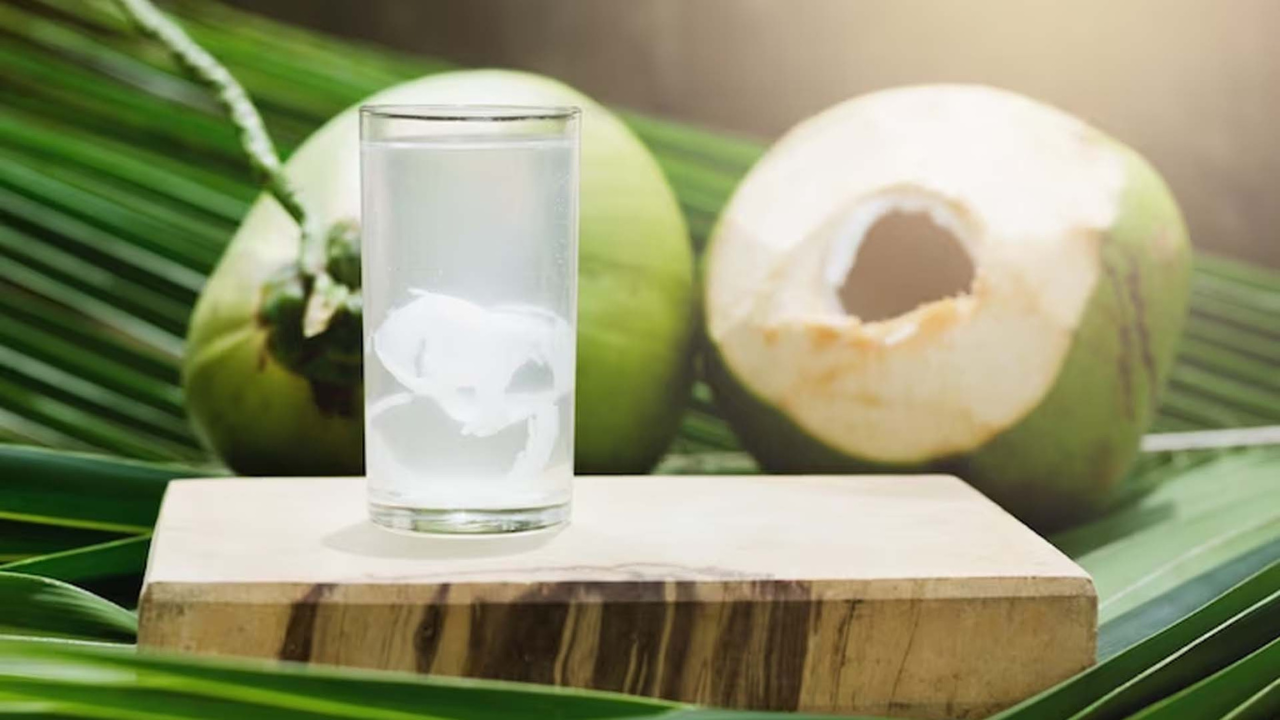
Packed Tender Coconut Water
Tender coconut water is the natural, pure liquid endosperm from 6–8-month-old coconuts, without solid endosperm. Refreshing and hydrating, it contains electrolytes like potassium, sodium, and magnesium, along with vitamin C, calcium, and potassium. Low in calories and fat, it’s a healthy beverage choice. Processing includes extraction, filtration, and packaging in hermetically sealed cans, food-grade plastic, glass bottles, flexible packs, or aseptic packages. The technology for processing, developed by DFRL Mysore in collaboration with the Coconut Development Board, is available for transfer at ₹3,50,000 plus GST, ensuring quality-packed tender coconut water.
| Parameter | Value |
|---|---|
| Total soluble solids (g per 100 ml), Max | 4.71 |
| Reducing sugar (g per 100 ml), Min | 0.8 |
| Sucrose (g per 100 ml), Min | 1.28 |
| Total sugar (g per 100 ml), Min | 2.08 |
| Ash (% by mass), Max | 0.62 |
| pH | 4.3 – 6.25 |
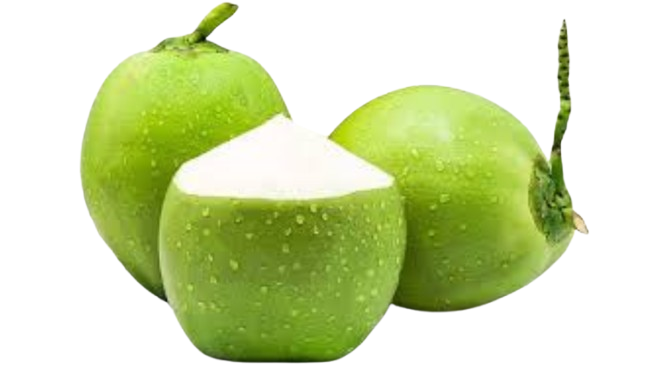
| Parameters | Values |
|---|---|
| Total Acid content (as acetic acid) | Not less than 3.75% |
| Total Solids % | Not less than 1.5% |
| Total Ash % | Not less than 0.18% |
| Contaminants | It shall not contain sulphuric acid or any other mineral acid. It shall be free from any foreign substances or colouring matter except caramel. |
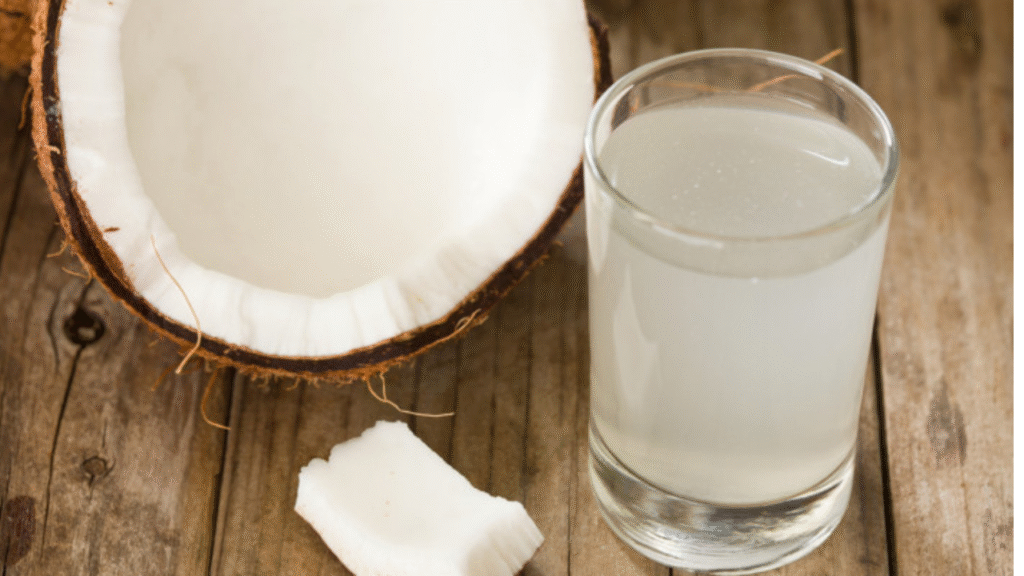
Vinegar
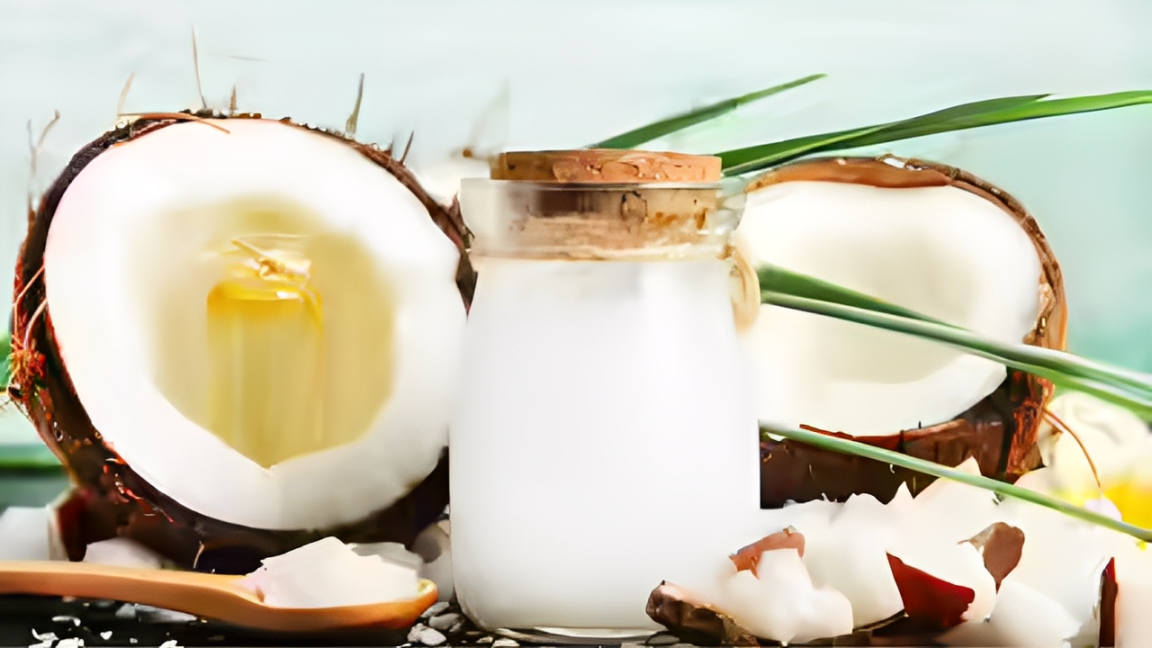
Coconut water vinegar is a natural product obtained through the fermentation of fresh coconut water. During this process, the natural sugars in coconut water are first converted into alcohol by yeast, and then acetic acid bacteria transform the alcohol into vinegar. This results in a tangy, mildly acidic liquid with a delicate flavor profile. It serves as a healthier and milder alternative to conventional vinegars, making it ideal for culinary uses such as salad dressings, marinades, and pickling. Additionally, coconut water vinegar may be valued for its potential health benefits, offering a natural option for both cooking and wellness purposes.
Coconut Squash/Lemonade
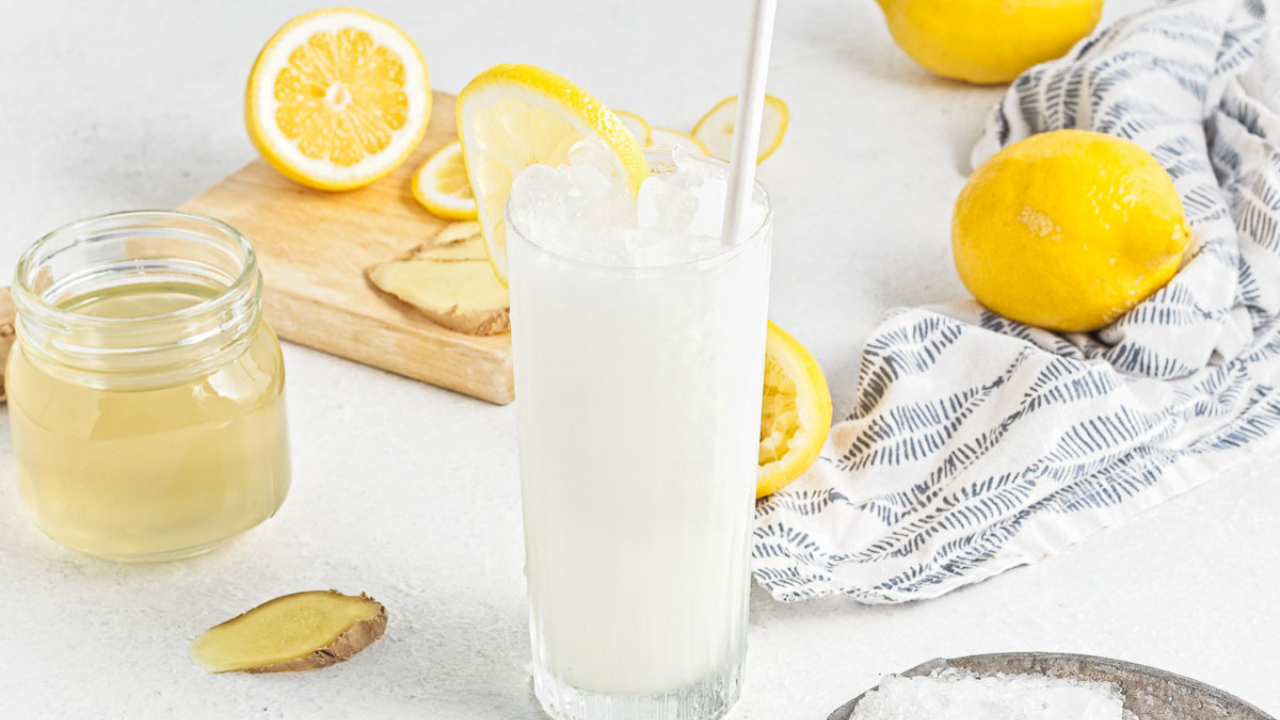
Coconut lemonade is a revitalizing and flavorful beverage that blends the tropical essence of coconut with the zesty tang of lemon. This healthy soft drink concentrate is crafted by combining fresh coconut water, natural sweeteners, and preservatives such as lemon and ginger, creating a naturally nourishing and refreshing drink. Packed with essential vitamins and minerals, it offers a low-calorie option for hydration and enjoyment. With a shelf life of three months under ambient conditions, coconut lemonade is gaining popularity as a new and innovative beverage in Asia and Pacific regions, appealing to health-conscious consumers seeking a tropical twist.
Nata-de-coco
Nata de coco is created by fermenting coconut water with the bacterium Acetobacter xylinum, which produces cellulose forming a gel-like, chewy texture. Harvested between 12 to 14 days, it develops its signature soft yet slightly crunchy consistency, while overgrown nata becomes tough and fibrous. Typically appearing as small, translucent cubes, it has a mildly sweet coconut flavor that is subtle and versatile for various desserts and dishes. Often white, it can be colored naturally or flavored, with options like strawberry or lychee. Low in calories and fat, nata de coco is a healthier, enjoyable dessert alternative.