
Coconut Kernel
Nutritious Core, Natural Goodness
The coconut kernel, or coconut meat, is the edible white flesh inside mature coconuts, usually harvested at 12 months. It is highly valued for its rich nutritional profile, containing healthy fats like medium-chain triglycerides, especially lauric acid, along with proteins, carbohydrates, fiber, vitamins, and essential minerals.
Known for its distinctive flavor and aroma, the kernel is consumed fresh or processed into products such as coconut oil, milk, cream, flour, and desiccated coconut. Its remarkable versatility makes it important in culinary, cosmetic, and industrial applications, offering exceptional health benefits, long shelf life, and significant economic value worldwide.
Types of Coconut Kernel
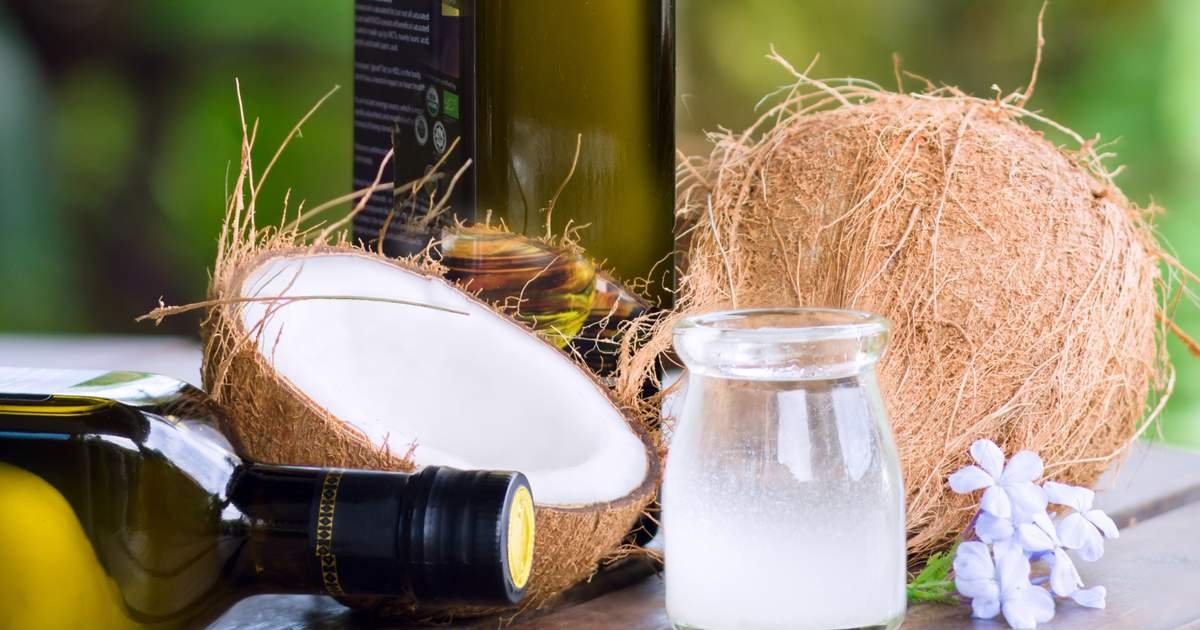
Virgin Coconut Oil
Virgin coconut oil (VCO) is a natural oil extracted from fresh, mature coconut kernels using mechanical or natural methods such as cold pressing, fermentation, or centrifugation. It retains its clear, pure appearance and pleasant aroma, free from impurities, additives, or chemicals. Rich in medium-chain triglycerides (MCTs), especially lauric acid (45–55%), VCO offers numerous health benefits, including boosting immunity, enhancing energy levels, and supporting heart health. Widely used in cooking, skincare, haircare, and traditional medicine, virgin coconut oil is valued for its purity, versatility, and natural healing properties, making it a popular choice globally for wellness and beauty.
| Parameter | Value / Requirement |
|---|---|
| Moisture | Not more than 0.5% |
| Acid Value | Not more than 4.0 |
| Iodine Value | 4.0 to 11.0 |
| Saponification Value | Not less than 250 |
| Unsaponifiable Matter | Not more than 0.5% |
| Refractive Index at 40°C | 1.4480 to 1.4492 |
| Insoluble Impurities | Not more than 0.05% |
| Polenske Value | Not less than 13 |
| Peroxide Value | Not more than 15 milli equivalent/kg of oil |
| Test for Argemone Oil | Negative |
| Test for Mineral Oil | Negative |
| Installed Capacity | 5000 nuts/day |
| Investment | Rs. 1.03 crore |
| Incentive | 25% of project cost (Max Rs. 50 lakhs) |
| Parameter | Value |
|---|---|
| Moisture | Max 3.0% |
| Fat/Oil Content | Min 60.0% (For DC - without oil extraction) |
| 35 to 60.0% (For Reduced Fat DC - with partial oil extraction) | |
| Total Ash | Max 2.5% |
| Free Fatty Acid (as Lauric Acid) | Max 0.3% |
| Extraneous Vegetable Matter | Max 15 units/100g |
| Foreign Matter in 100g | Absent |
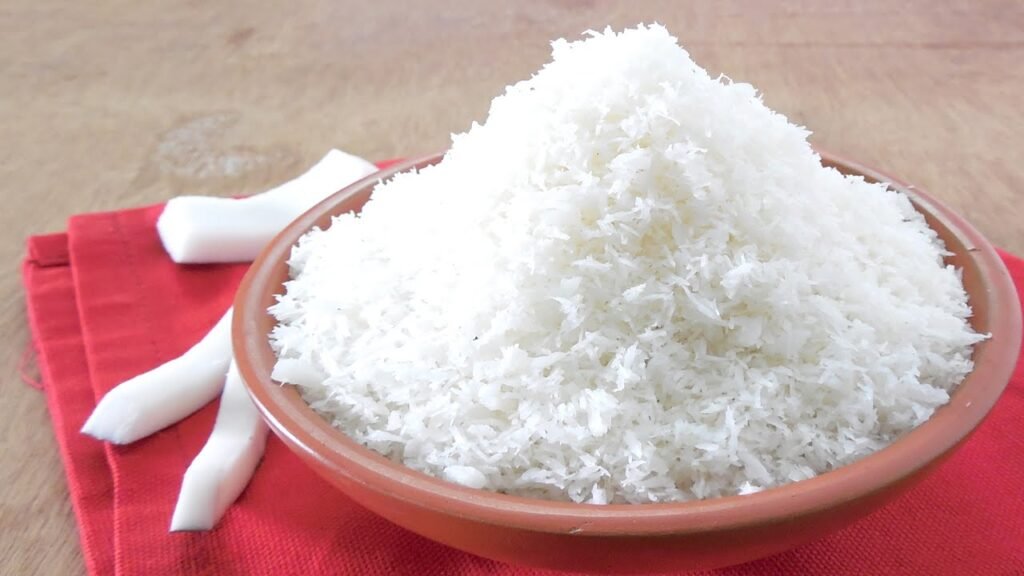
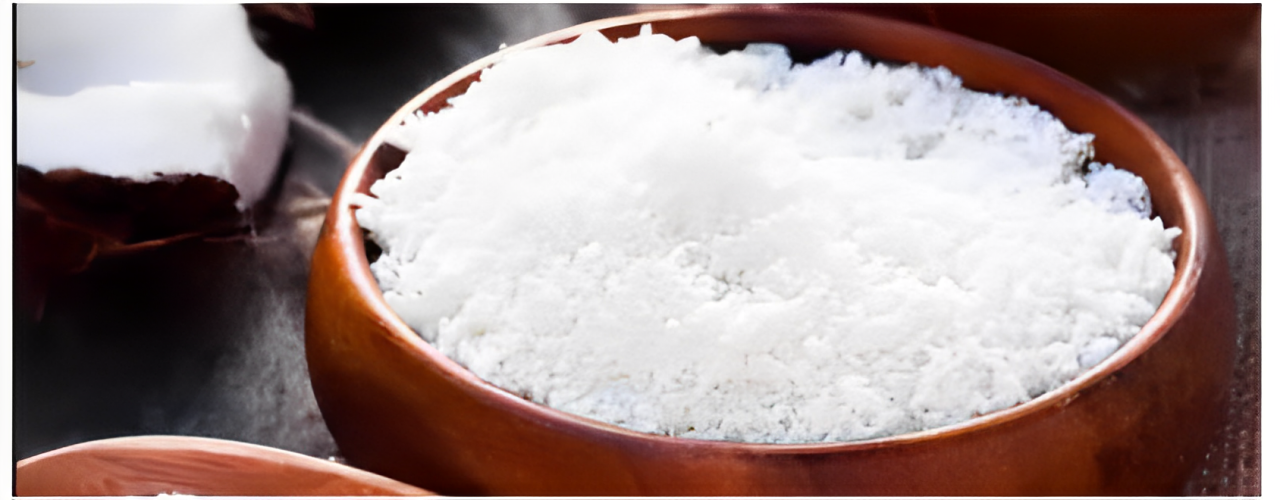
Desiccated Coconut
Desiccated coconut is prepared by drying the grated and shredded white kernel of fresh, mature coconuts. The process involves dehusking, paring, shredding, and drying the meat into flakes, chips, or shreds, reducing moisture to about 3–5%. It remains naturally white, free from foreign matter, mold, insects, and any contamination. This product is naturally vegan and gluten-free, making it suitable for a variety of dietary preferences. Desiccated coconut powder delivers concentrated coconut flavor and texture without requiring fresh coconuts, making it a convenient and versatile ingredient. Available in multiple grades based on fineness and granule size, it is widely used in both sweet and savory recipes, adding authentic coconut taste and texture to a wide range of dishes.
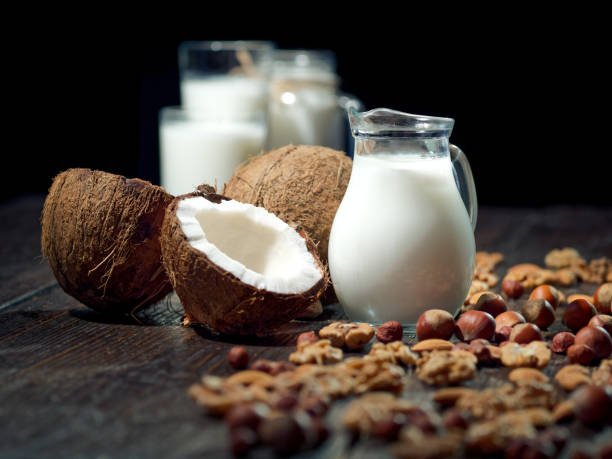
Coconut Milk
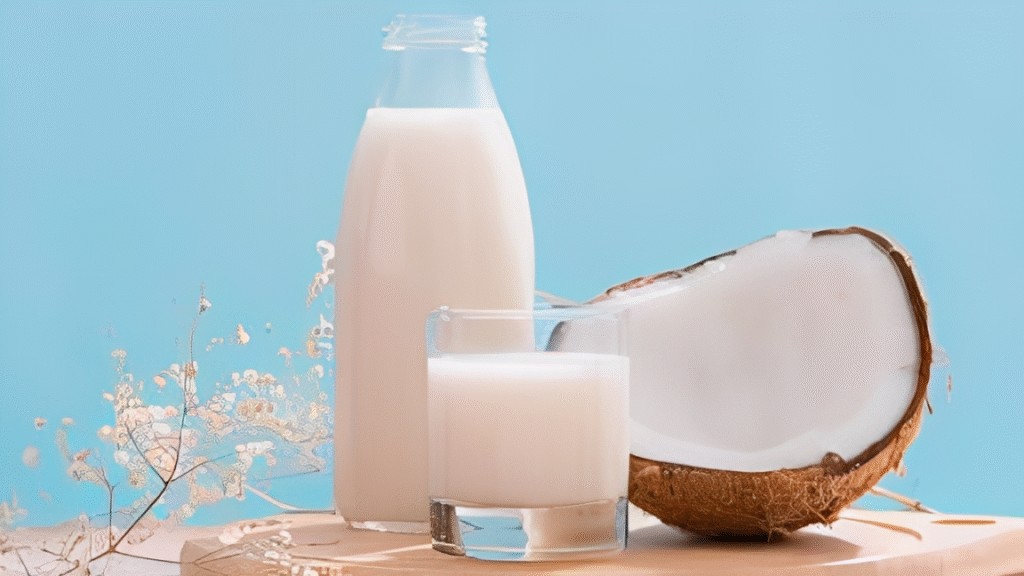
Coconut milk is produced by extracting liquid from fresh grated coconut kernel, then processed and packed. Widely used in Asian cuisines and desserts, it enhances curries, sweets, beverages, and baked goods. A dairy-free alternative for lactose-intolerant or vegan diets, it can replace regular milk in various recipes. Available in light and regular types based on fat content, it has a characteristic color, flavor, and aroma, and is heat-processed for preservation before or after sealing in containers.
| Parameter | Light Coconut Milk (Values) | Coconut Milk (Values) |
|---|---|---|
| Moisture % | Max 93.4 | Max 87.3 |
| Total Solids % | 6.6 – 12.6 | 12.7 – 25.3 |
| Solids Not-Fat % | Min 1.6 | Min 2.7 |
| Fat % | Min 5.0 | Min 10.0 |
| pH | Min 5.9 | Min 5.9 |
| Parameter | Value / Amount |
|---|---|
| Energy Value (per 100 ml) | 103.0 Kcal |
| Total Fat | 4.62% |
| Saturated Fat | 4.45% |
| Monounsaturated Fatty Acids | 0.16% |
| Polyunsaturated Fatty Acids | 0.006% |
| Lauric Acid | 2.42% |
| Total Carbohydrates | 15.0% |
| Total Minerals | 0.32% |
| Protein | 0.5% |
| Total Solids | 21.0% |
| Sodium | 224 ppm |
| Potassium | 56 ppm |
| Phosphorus | 170.5 ppm |
| Calcium | 28.6 ppm |
Flavoured Coconut Milk
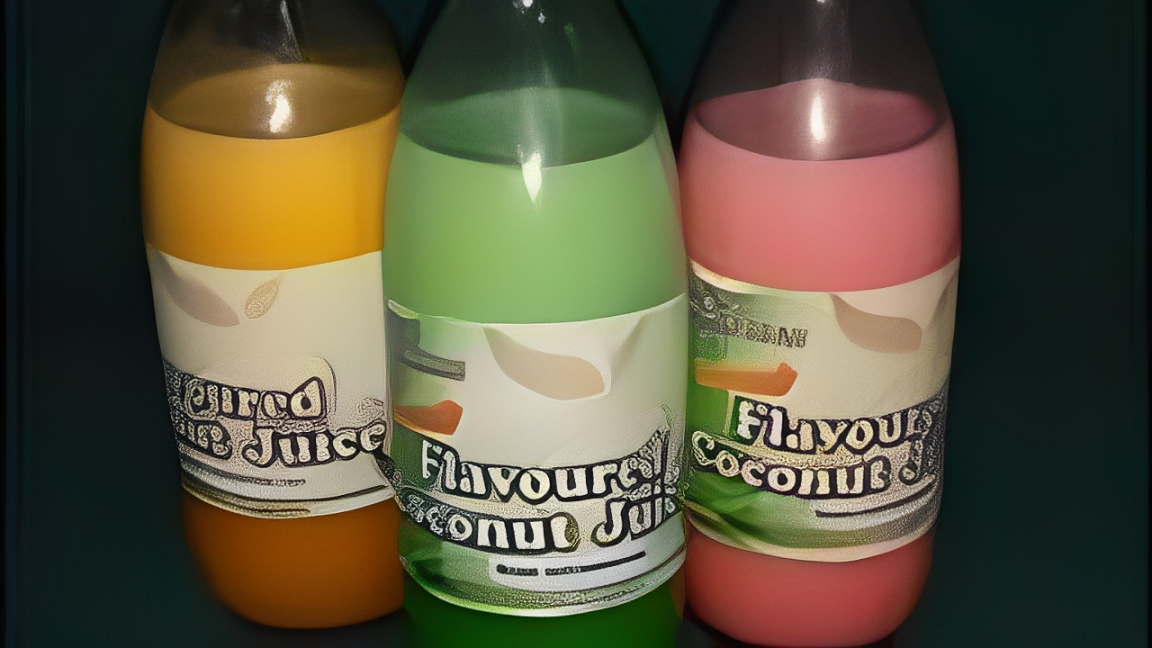
Coconut milk is a staple ingredient in various Asian cuisines, especially in China, India, and Southeast Asia, enhancing both sweet and savory dishes with its rich, creamy flavor. It can also be processed into a nutritious health beverage, available in multiple flavors to suit consumer preferences. Naturally lactose-free, it serves as an excellent alternative to cow’s milk for individuals with lactose intolerance, offering a smooth texture and distinctive taste. Highly versatile, it is ideal for cooking, baking, and preparing beverages. Packaged for convenience, coconut milk has a shelf life of up to six months when stored at ambient temperature.
Coconut Cream
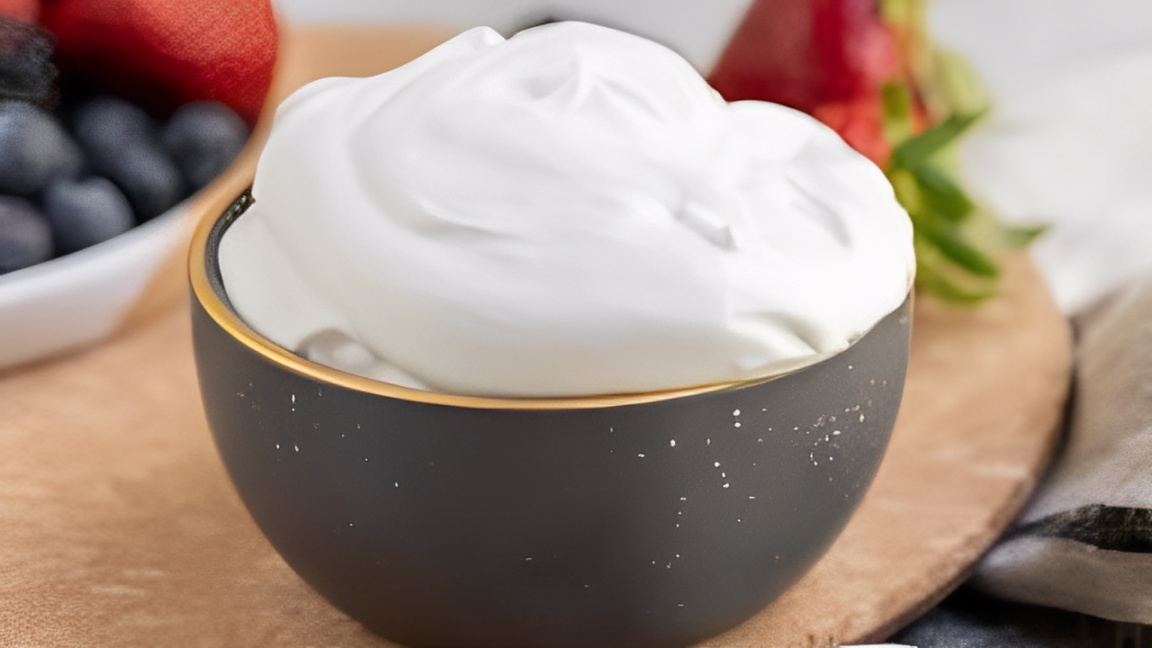
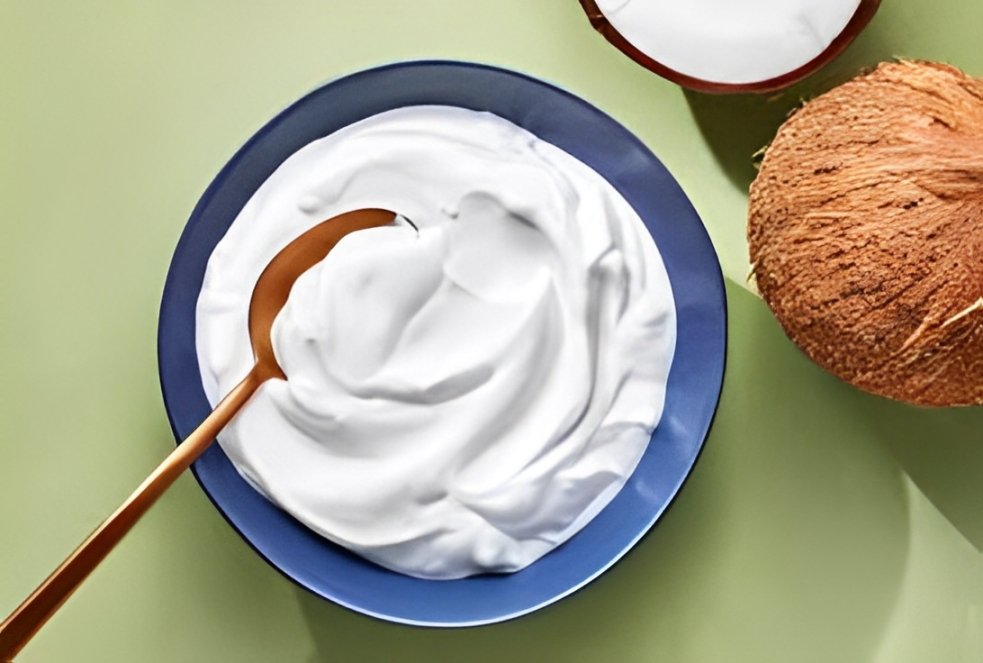
Coconut cream is a rich, thick substance extracted from the grated flesh of mature coconuts, offering a more concentrated texture than coconut milk. It is a key ingredient in many Asian and tropical dishes, providing a creamy texture and distinct tropical flavor. The cream is produced by macerating, disintegrating, and pressing fresh coconut kernel, with most fibers and residues removed. To ensure freshness, it is often heat-processed and hermetically sealed. Coconut cream is available in two forms: regular coconut cream and coconut cream concentrate, the latter having some water partially removed for higher richness and versatility in cooking.
| Parameters | Coconut Cream (Values) | Coconut Cream Concentrate (Values) |
|---|---|---|
| Moisture % | Max 74.6 | Max 62.6 |
| Total Solids % | 25.4 – 37.3 | Min 37.4 |
| Solids Not-Fat % | Min 5.4 | Min 8.4 |
| Fat % | Min 20.0 | Min 29.0 |
| pH | Min 5.9 | Min 5.9 |
| Parameters | Values |
|---|---|
| Moisture % | Not more than 2.5 |
| Fat, on dry basis % | Not less than 60.0 |
| FFA (of extracted fat as lauric acid) % | Not more than 0.2 |
| Bulk density g/ml | 0.3 - 0.45 |
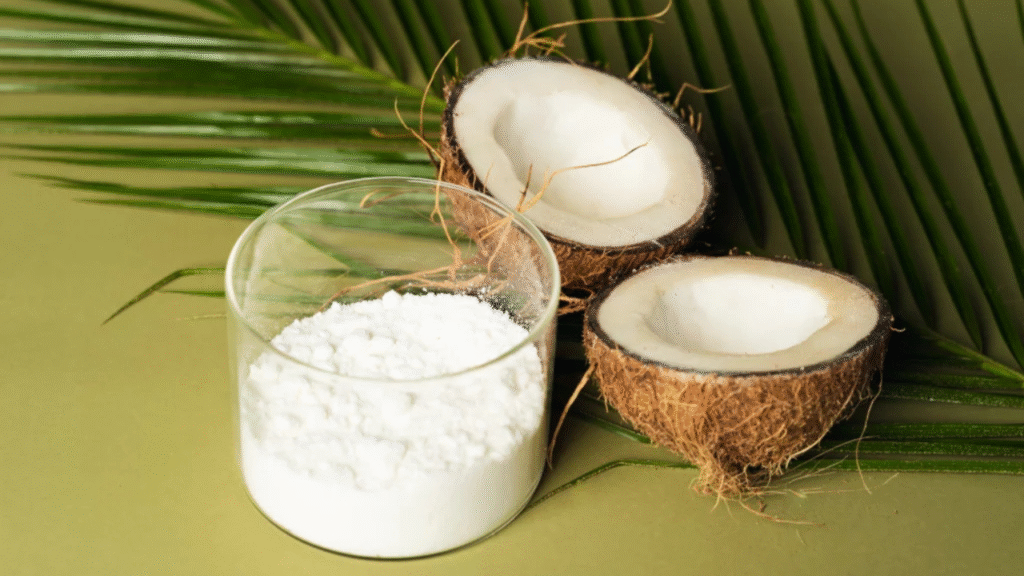
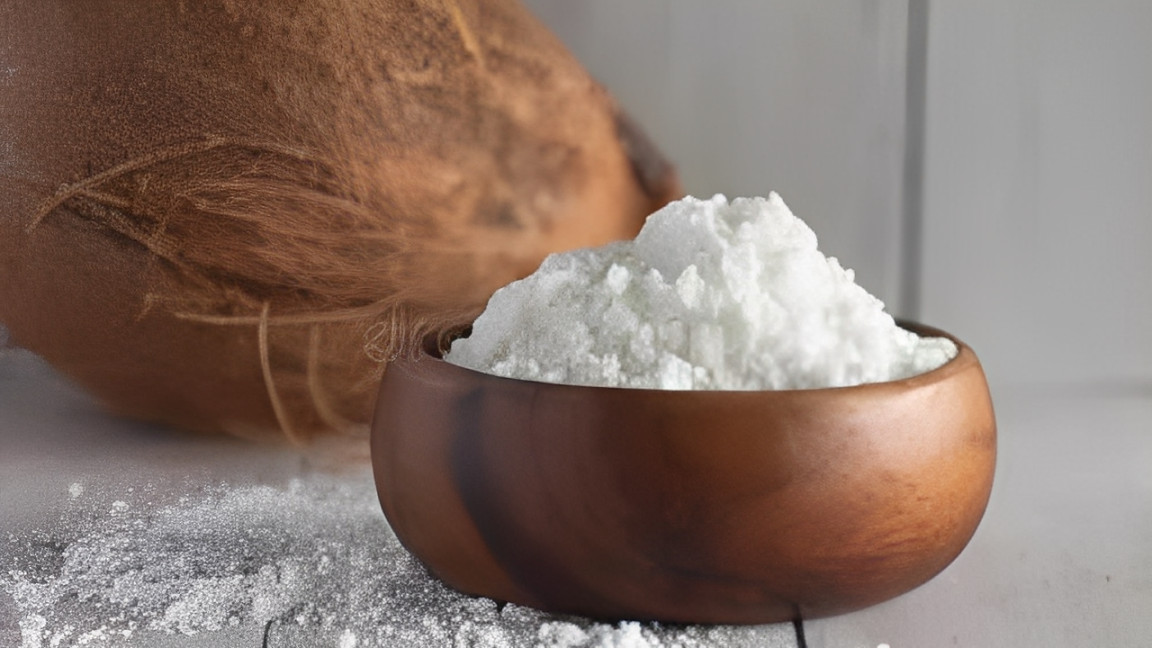
Coconut Milk Powder
Coconut milk is a staple ingredient in various Asian cuisines, especially in China, India, and Southeast Asia, enhancing both sweet and savory dishes with its rich, creamy flavor. It can also be processed into a nutritious health beverage, available in multiple flavors to suit consumer preferences. Naturally lactose-free, it serves as an excellent alternative to cow’s milk for individuals with lactose intolerance, offering a smooth texture and distinctive taste. Highly versatile, it is ideal for cooking, baking, and preparing beverages. Packaged for convenience, coconut milk has a shelf life of up to six months when stored at ambient temperature.
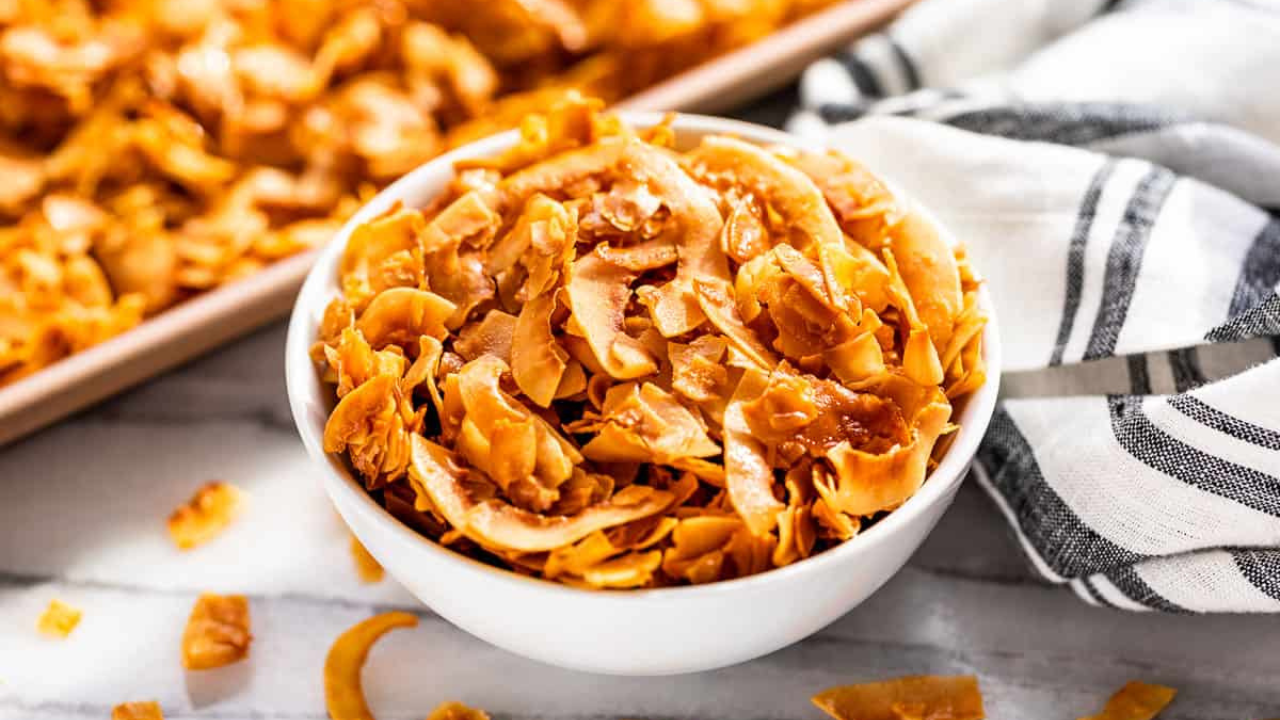
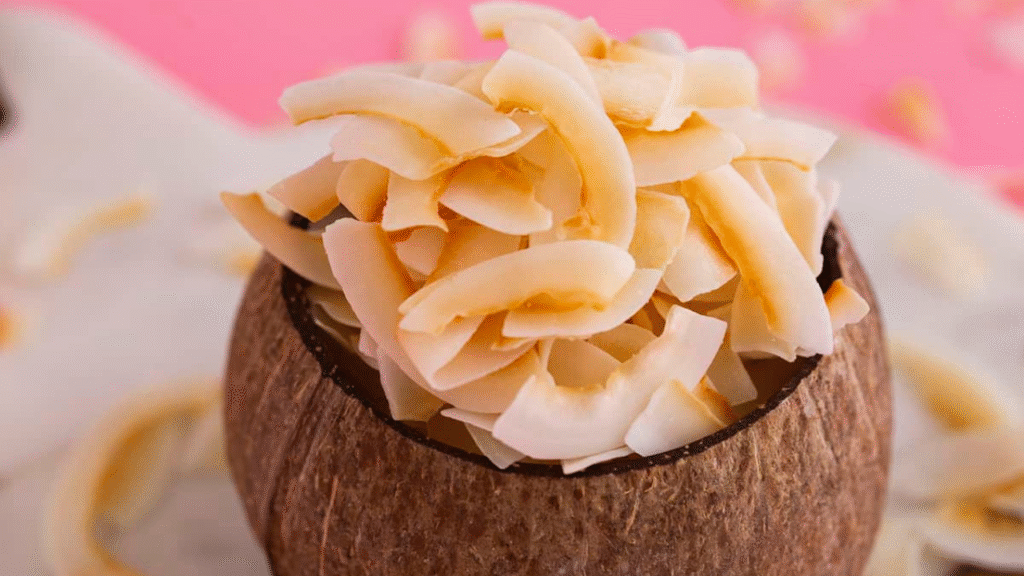
Coconut Chips
Coconut chips are thin slices or shreds of coconut meat that have been toasted or dried to a crisp and crunchy texture. They are a popular and delicious snack that offers the natural sweetness and flavor of coconut in a convenient and portable form. Coconut chips are commonly used as a healthy and satisfying alternative to traditional snacks like potato chips or sugary treats. Coconut chips retain the rich, tropical flavor of fresh coconut, and the toasting process enhances their nutty and slightly sweet taste. Coconuts of the age 8-10 month old with reasonable water inside are selected for the production of coconut chips. Variant types of chips can be prepared by adding different types of essences and flavours such as Vanilla, Pineapple, Mint, Lemon Spicy etc. The technology for Coconut Chips in 6 different flavours developed by CDB Institute of Technology, Aluva is available for technology transfer . The technology transfer fee is Rs 1000/- per unit.
| Sl. No | Parameters | Value |
|---|---|---|
| 1 | Total Fat | 43.95% |
| a) Mono Unsaturated Fatty Acid (Oleic) | 3.040% | |
| b) Poly Unsaturated Fatty Acid (Linoleic) | 0.352% | |
| c) Saturated Fatty Acids (including 21.07% Lauric acid) | 40.558% | |
| 2 | Total Minerals | 0.14% |
| 3 | Protein | 3.72% |
| 4 | Total Sugar | 48.63% |
| 5 | Dietary Fibre | 12.06% |
| 6 | Moisture | 2.50% |
| Parameters | Expressed | Solvent Extracted |
|---|---|---|
| Moisture and Volatile Matter | - | Max 1.0 |
| Acid Value | Not more than 6.0 | Max 10.0 |
| Iodine Value (Wijs) | 7.5 to 10 | 7.5 to 10 |
| Saponification Value | Not Less than 250 | Min 250 |
| Unsaponifiable matter % | Not more than 1.0 | Max 1.0 |
| Polenske Value | Not Less than 13 | - |
| Refractive Index at 40°C | 1.4480 to 1.4500 | 1.4481 to 1.4491 |
| Flash Point (Pensky-Martens), closed °C | - | 90 |
| Butyro-refractometer reading at 40°C | 34.0 to 35.5 | - |
| Test for Mineral Oil | Negative | - |
| Test for Argemone Oil | Negative | Negative |
| Peroxide Value | Max 10 milliequivalents of active oxygen/Kg oil | Max 10 milliequivalents of active oxygen/Kg oil |
| Odor | - | - |
| Lead | Max 0.1 mg/kg | - |
| Arsenic | Max 0.1 mg/kg | - |
| Caproic acid | ND - 1.0% | - |
| Caprylic acid | 4.0 - 10.0% | - |
| Capric acid | 5.0 - 10.0% | - |
| Lauric acid | 44.0 - 53.2% | - |
| Myristic acid | 13.0 - 21.9% | - |
| Palmitic acid | 7.5 - 11.0% | - |
| Stearic acid | 1.0 - 4.9% | - |
| Oleic acid | 5.0 - 10.0% | - |
| Linoleic acid | 1.0 - 2.5% | - |
| Linolenic acid | ND - 0.2% | - |
| Eicosanoic Acid | ND - 0.2% | - |
| Eicosenoic Acid | ND - 0.2% | - |
Coconut Oil
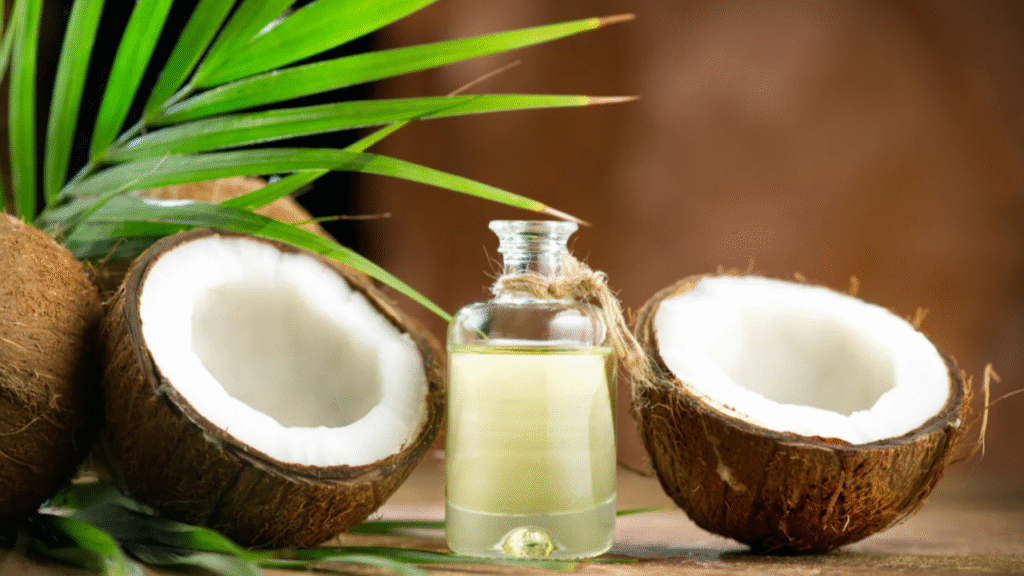
Coconut oil is a unique cooking oil rich in short- and medium-chain saturated fatty acids, prized for its easy melting point, resistance to oxidative rancidity, pleasant flavor, and excellent digestibility. Extracted from the kernel or meat of mature coconuts, good quality coconut oil is clear and free from rancidity, foreign matter, added colors, flavors, or mineral oils. It is extensively used in southern India, especially Kerala, as a primary cooking medium. Besides culinary uses, coconut oil has versatile industrial applications including manufacturing of toilet and laundry soaps, detergents, hair tonics, and cosmetics. It’s also widely used as a hair oil to promote growth and as a massage oil for its cooling effect on the body. Traditionally, coconut oil was extracted using rotary chucks, but modern methods like expellers have improved efficiency and increased oil recovery. These qualities give coconut oil significant potential in both domestic and commercial markets.
Copra
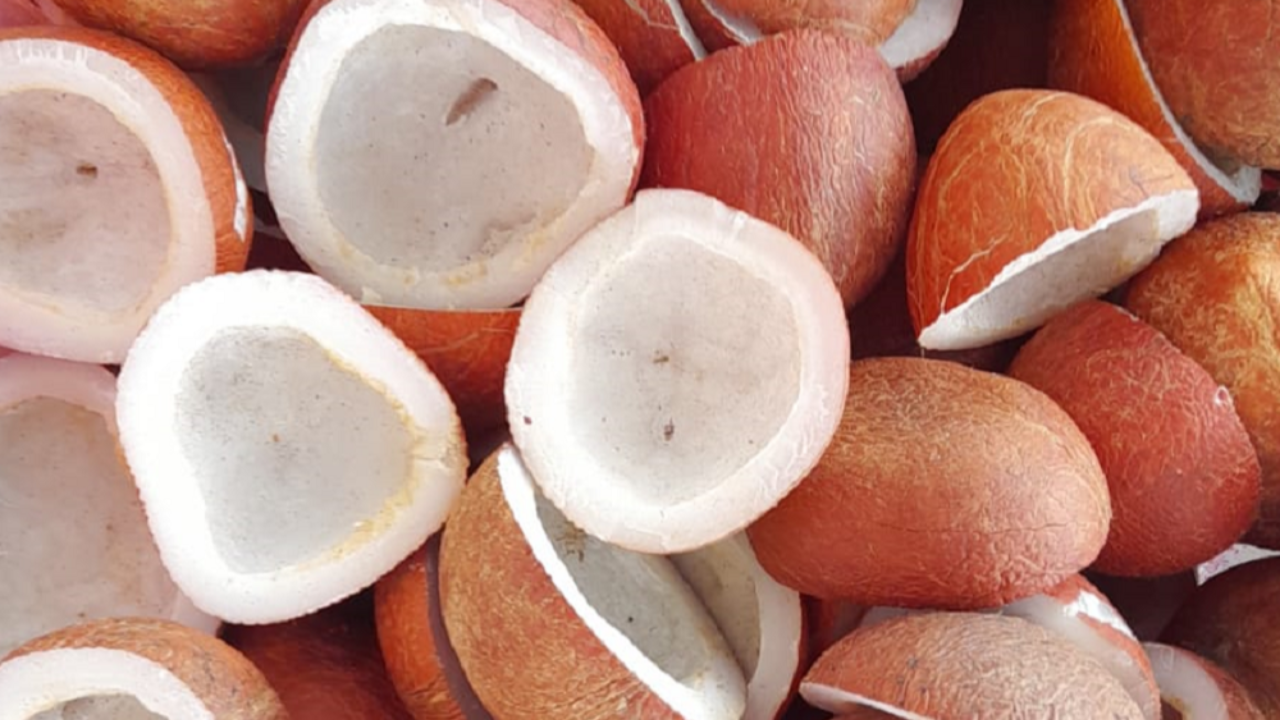
Copra is the dried kernel or endosperm of fully matured (12-month-old) coconuts, renowned for having the highest oil content among oil seeds. It contains 15-20% carbohydrates, 9% protein, 4.10% crude fiber, and 65-68% fat. In India, copra is classified into two categories: edible and milling. Edible copra, used as a dry fruit or in religious ceremonies, is produced in both ball and cup forms. Milling copra, primarily used for oil extraction, is available only as cups. Drying methods include traditional sun drying and mechanical drying using kilns, flatbed, or channel dryers. Hot air dryers are preferred as they prevent direct exposure to fire, producing clean, white copra free from smoke, mold, and dirt. Uniform drying to approximately 6% moisture content is essential to prevent fungal growth and maintain quality.
